TerraTight Mexico guide
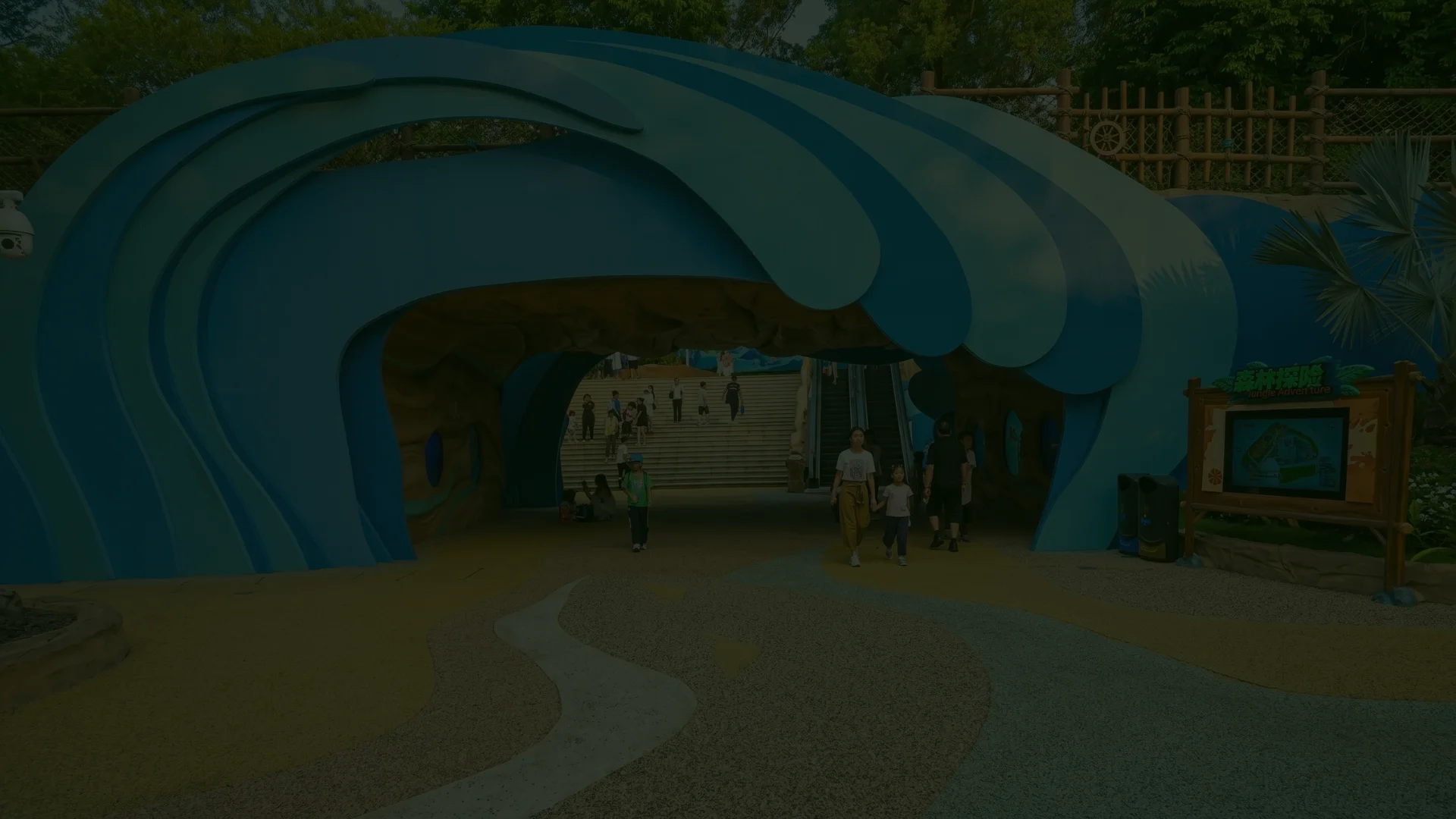
Most Mexican driveways, or cocheras, end up in one of three materials: adoquín (interlocking concrete pavers), stamped concrete (concreto estampado), or, increasingly, a resin bound stone surface. Each has its place. This guide compares them on the things that matter in Mexico: rain, heat, maintenance and appearance.
| Adoquín | Stamped concrete | Resin bound | |
|---|---|---|---|
| Rainwater | Some water drains through the sand joints | Impermeable; water runs off or ponds | Permeable; water drains straight through the surface |
| Weeds | Grow in the joints | None, until cracks appear | None; the surface is seamless |
| Heat and sun | Durable; colours fade slowly | Sealer needs renewing; can crack with movement | Binder must suit UV exposure; choose a UV-resistant resin |
| Maintenance | Re-sanding joints, replacing sunken pavers | Resealing every few years | Sweep and rinse; patch repairs with fresh binder and stone |
| Installation | Excavation, base and sand bed | Formwork, pour, stamping and curing | Cold-mixed and trowelled over a sound base; usable after 1–2 days |
| Look | Classic, modular pattern | Imitates stone or tile | Real natural stone in a seamless finish |
Interlocking pavers are strong, easy to repair one piece at a time and familiar to every contractor. The downsides are the joints: they collect weeds and lose sand, and pavers can sink where the base was poorly compacted, leaving puddles in the rainy season.
Stamped concrete gives a decorative finish in one pour. Because it is impermeable, every square metre sends water somewhere else, so drainage needs careful design. It also relies on a sealer that must be renewed, and when it cracks, repairs are hard to hide. Without an anti-slip additive it can be slippery when wet.
A resin bound surface mixes clean, dry stone with a clear binder and trowels it into one seamless, permeable layer. Rain soaks through instead of pooling at the gate, there are no joints for weeds, and the finish shows the real colour of the stone.
It is a surface layer, so it needs a sound base underneath, usually existing concrete or asphalt in good condition, or a properly built new base. For driveways we recommend TerraTight Epoxy (EP-231) for its bonding strength under vehicles. For walkways and patios in full sun, TerraTight PU is formulated against UV yellowing.
Prices vary by region, base condition and access, so compare quotes for the same area and base preparation. If you are considering resin bound, send us the size of your cochera and photos of the existing surface, and we will calculate the binder and stone you need.
Have a project in Mexico?
Send the city, the area and a photo of the surface, and we will recommend the system and quantities.
